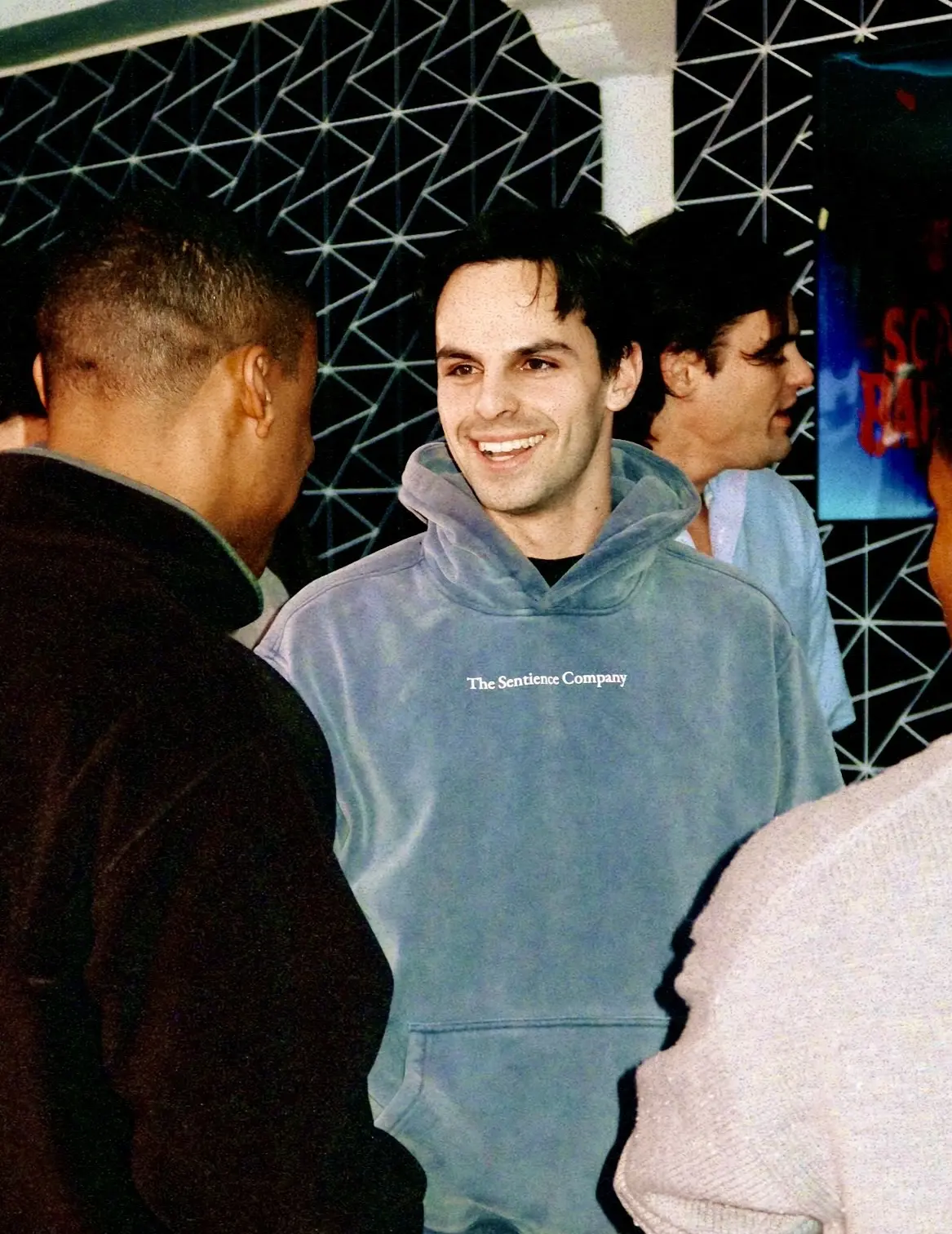
About me
I grew up in Boulder, Colorado, a sunny college town at the foothills of the Rocky Mountains. I spent my childhood learning about the world, playing outside, and listening to lots of music. I loved growing up in Boulder but wanted to move to the East Coast for as long as I can remember, which is part of why I chose to come to MIT for college.
I started MIT as purely a neuroscience major because of my fascination with the brain but added computer science soon after I started. Coding made my brain operate in a new, unfamiliar way that I still find useful for solving non-technical problems. I always preferred my classes to be interesting rather than purely pre-professional—choosing my electives involved paging through the entire course catalog for the coolest-looking classes, no matter what department they were in. I took classes in poetry, business, linguistics, economics, and music (ask me about my Beatles class!).
I played baseball for almost my entire life, from kindergarten until my last year of college. I played both for MIT's varsity team and in competitive summer leagues throughout my career, spending days playing all over New England while my friends were working internships. After doing a year of graduate work and playing a final year of baseball, I moved to New York and began working in tech full time.
After a stint doing business operations at a Series C company, I joined a seed-stage AI startup as Chief of Staff, where I'm currently focused on augmenting and preserving what makes humans unique. I'm motivated by interesting, high-ceiling ideas and do my best work with a small, energetic team. I love to eat, play music, read, and meet new people from all kinds of backgrounds. I believe that we've created technology that could spur an age of prosperity for the world, but we're in danger of letting greed, desire, and fear get in the way.
- By post teddy.s.schoenfeld@gmail.com
- Elsewhere LinkedIn
- Based in New York, NY